When: spring, summer, autumn
Ideal for: couples, families, groups, solo visitors
How: on foot, by bike, on horseback or by boat
Introduction
A unique excursion through nature, history, and biodiversity along the Arno River.
Day 1
1. Migliarino, San Rossore, Massaciuccoli Natural Park
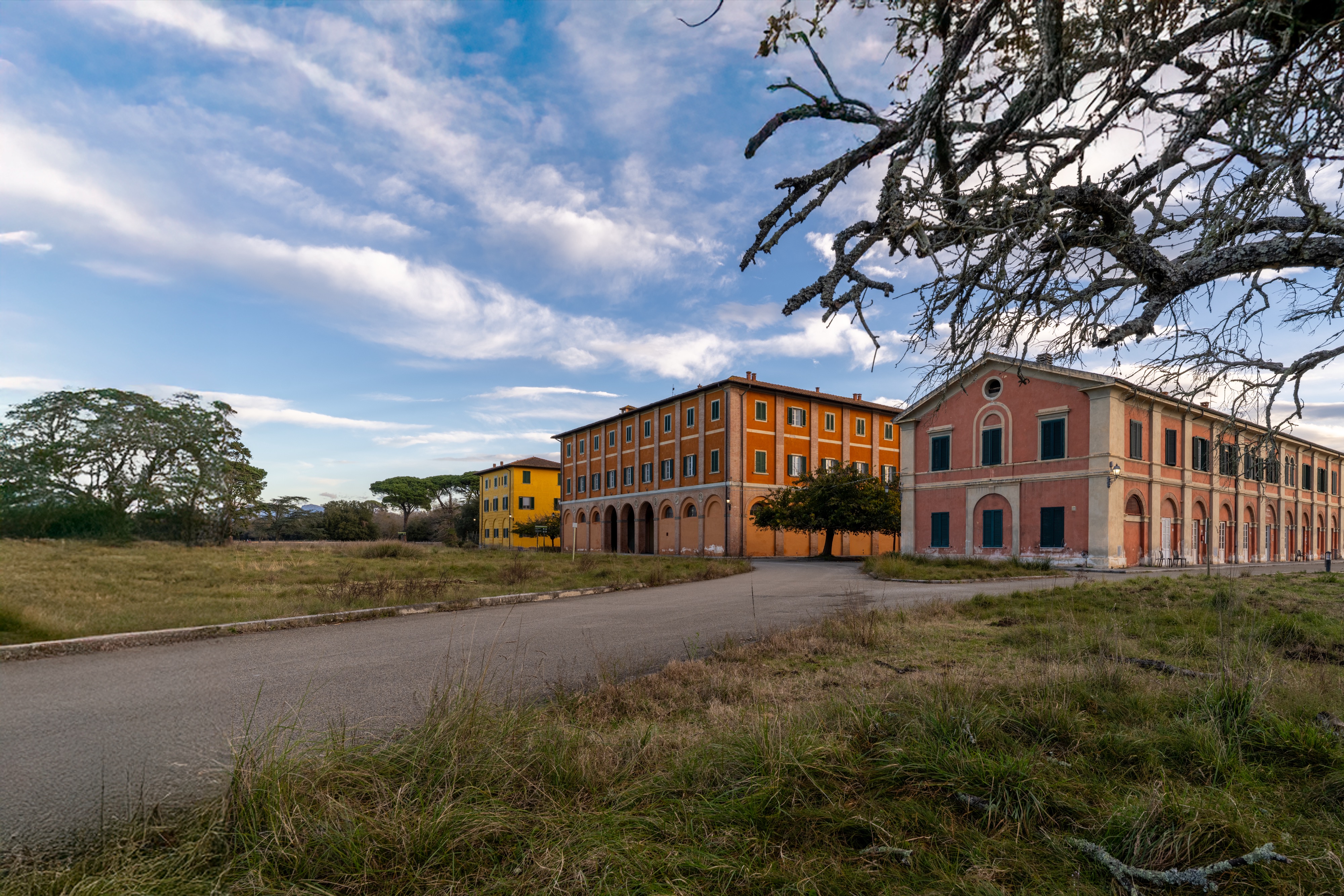
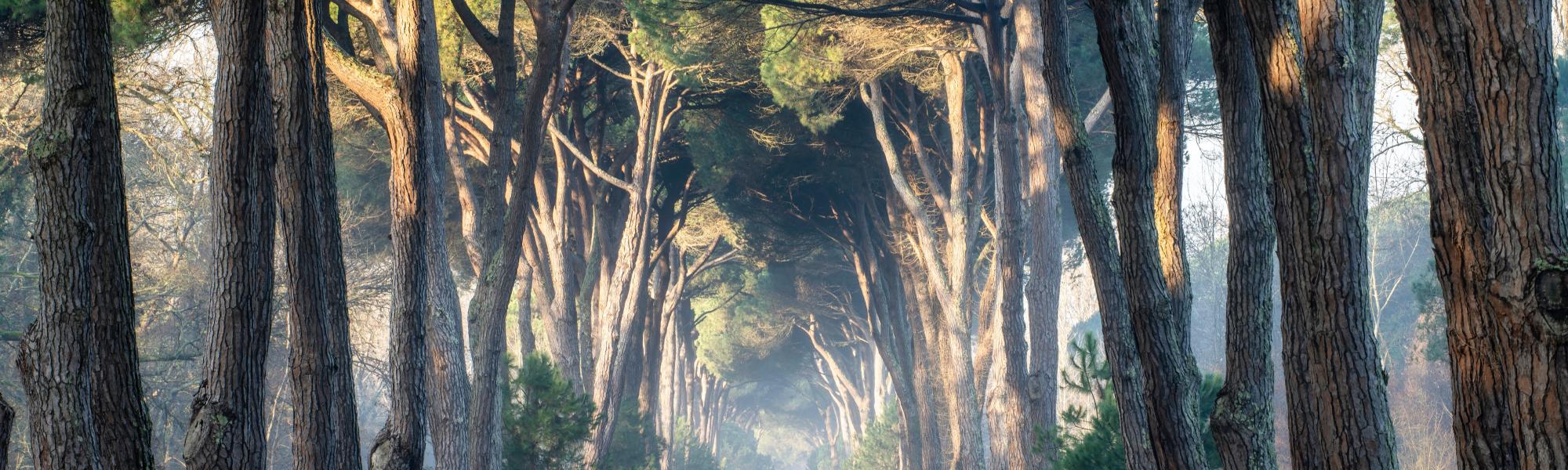
The San Rossore Estate is a place rich in both history and natural heritage. Once owned by the King of Italy and later by the President of the Republic, it lies within the Migliarino, San Rossore, Massaciuccoli Natural Park, recognized by UNESCO as a Biosphere Reserve.
This extraordinary ecosystem encompasses sandy dunes, humid woodlands, and wetlands, providing a habitat for abundant wildlife, including fallow deer, wild boar, and numerous migratory bird species that can be easily observed during their seasonal movements.
San Rossore is also renowned for its traditions. Its racecourse, in operation since 1854, hosts internationally significant horse racing events, such as the prestigious Premio Pisa held in April. Another fascinating chapter in its history concerns the breeding of dromedaries, introduced in the 17th century by the Medici family and present on the estate until 1976.
Today, the park stands as a symbol of environmental protection and sustainability, forming part of a global network of protected areas. After visiting the estate and exploring its unique landscapes, the day may conclude with a visit to the historic center of Pisa, beginning with one of its remarkable museums.
2. The National Museum of San Matteo
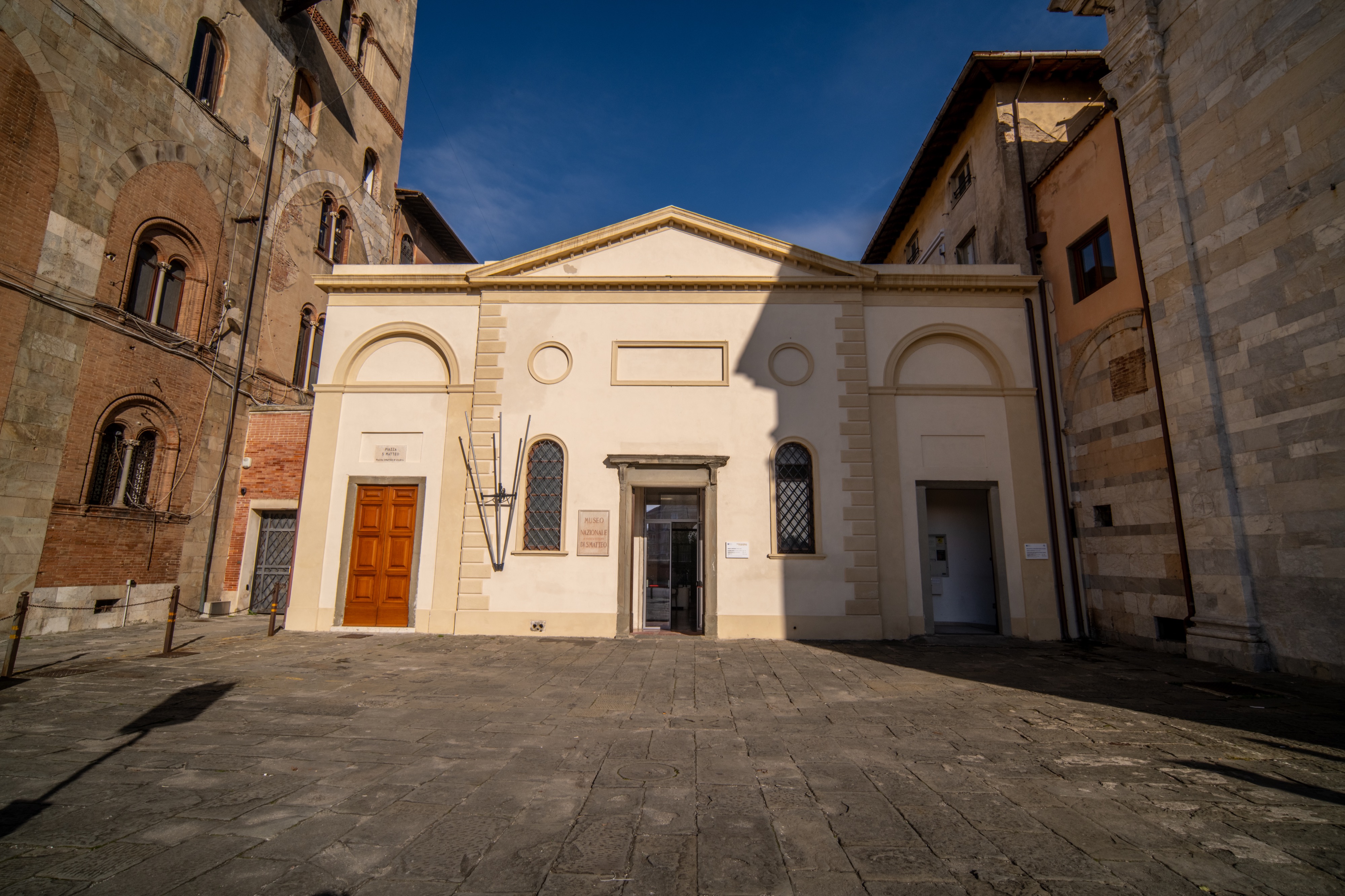
Overlooking the Lungarni of Pisa, the National Museum of San Matteo is the city’s principal museum dedicated to Pisan painting and sculpture, featuring masterpieces spanning from the 12th to the 16th century. It is the only museum in the world “where works by Donatello, the father of Renaissance sculpture, and Masaccio, the father of Renaissance painting, are displayed side by side. Of particular importance is also the Polyptych of Saint Catherine of Alexandria by Simone Martini, one of the foremost masters of Italian Gothic painting.
The museum is housed in the former Benedictine nunnery of San Matteo in Soarta. Some medieval elements still survive, such as the Romanesque church, although the complex has undergone significant modifications due to later interventions and restorations carried out after the Second World War.
Among its most valuable collections are a remarkable collection of illuminated manuscripts and “the largest collection of ceramic basins from across the Mediterranean —ancient decorative elements once used in Pisan architecture. Equally significant are the numerous painted wooden crosses, which were once essential devotional objects in Tuscan churches.
After visiting the museum, you may continue your walk along the Arno River, enjoying views of the Lungarni, until you reach the Museum of Ancient Ships—another unmissable stop for discovering Pisa’s deep connection with its fascinating maritime past.
3. The National Museum of the Ancient Ships
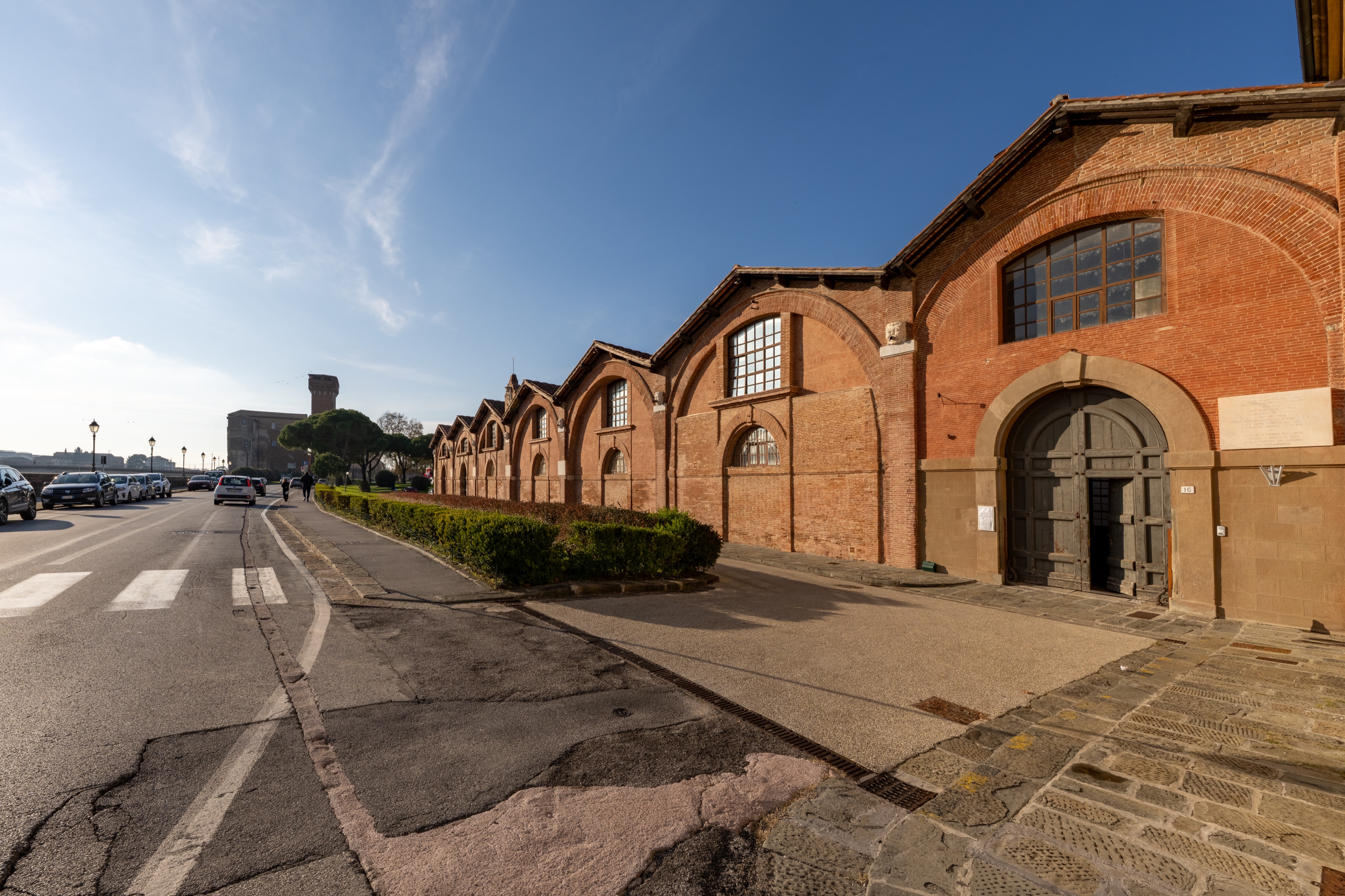
The history of the Museum of Ancient Ships in Pisa is truly fascinating. In 1998, during works carried out near the Pisa San Rossore railway station, numerous shipwrecks were discovered in an exceptional state of preservation, along with their cargoes and vivid evidence of life on board: clothing, personal belongings, cooking utensils, as well as objects linked to religious practices, superstitions, and games used during long voyages.
Did you know, for example, that in ancient Rome the birth of Sol Invictus, the Unconquered Sun, was celebrated? This deity was widely venerated by sailors, who prayed for guidance and protection during their journeys across the Mediterranean.
The Ministry for Cultural Heritage and Activities (MiBACT), in collaboration with the Italian Railway Network (Rete Ferroviaria Italiana), promptly launched an archaeological investigation, bringing to light around thirty Roman-era vessels and thousands of artefacts, including ceramics, glass, metals, and organic materials. The excavations, completed in 2016, led to the creation of the Shipyard of the Roman Ships of Pisa, one of the most significant archaeological projects of recent decades.
Since 2019, the museum housed in the Medici Arsenals has displayed the restored ships and artefacts, arranged across eight sections that narrate the history of Pisa from the Etruscan period to the Middle Ages. The exhibition route explores the city’s deep relationship with water: floods, canals, the Port of Pisa, and productive activities which, already in ancient times, contributed to the area’s hydrogeological instability.
One of the museum’s most remarkable features is the extraordinary state of preservation of the finds: the wood of the ships, having remained underwater in an oxygen-free environment, has retained its structure intact, protected from fungi and bacteria.
After your visit, we recommend a memorable boat experience on the calm waters of the Arno River, which at sunset is tinged with shades of red and orange, creating a unique and romantic atmosphere.
4. Sunset Aperitivo and Arno River Cruise
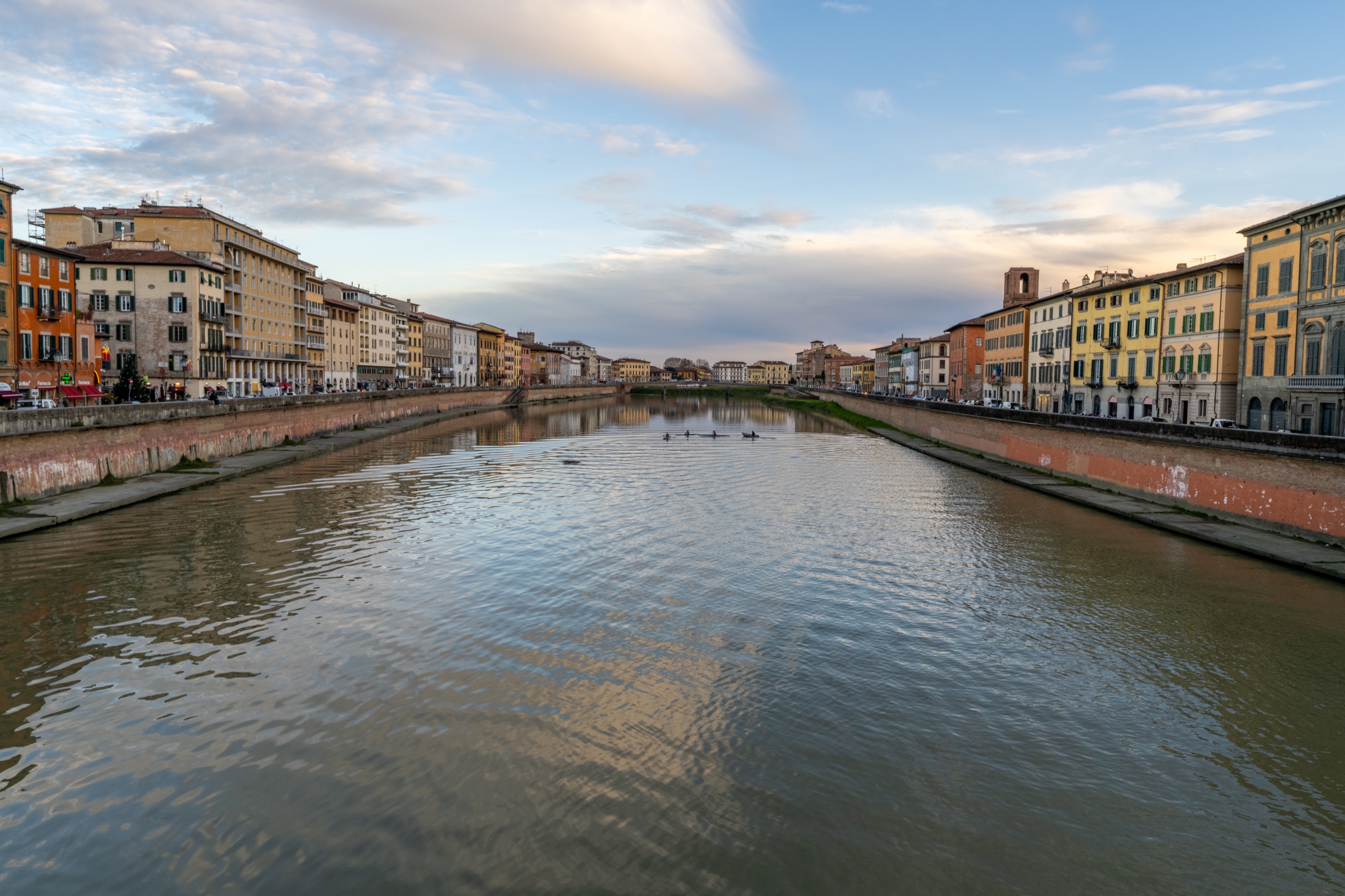
If the season and weather allow, treat yourself to an aperitivo on the banks of the Arno River, followed by an enchanting riverboat tour towards the San Rossore Park and the coastline.
HOW TO TAKE PART:
Riverboat tours are only available at certain times of the year, so it’s important to check the organisers’ website for dates and schedules. Advance booking is often required, so we recommend contacting them directly.
Boarding generally takes place at the Roncioni landing stage, located in a central and easily accessible area.
Day 2
Explore the coastline beginning with a visit to the WWF Dunes, a protected natural area of great environmental interest. Continue with lunch at Retoni, where you can enjoy traditional dishes in an authentic setting. Finally, spend the afternoon relaxing and having fun at Pineto Adventure Park, perfect for all ages.
1. Tirrenia Dunes WWF Oasis
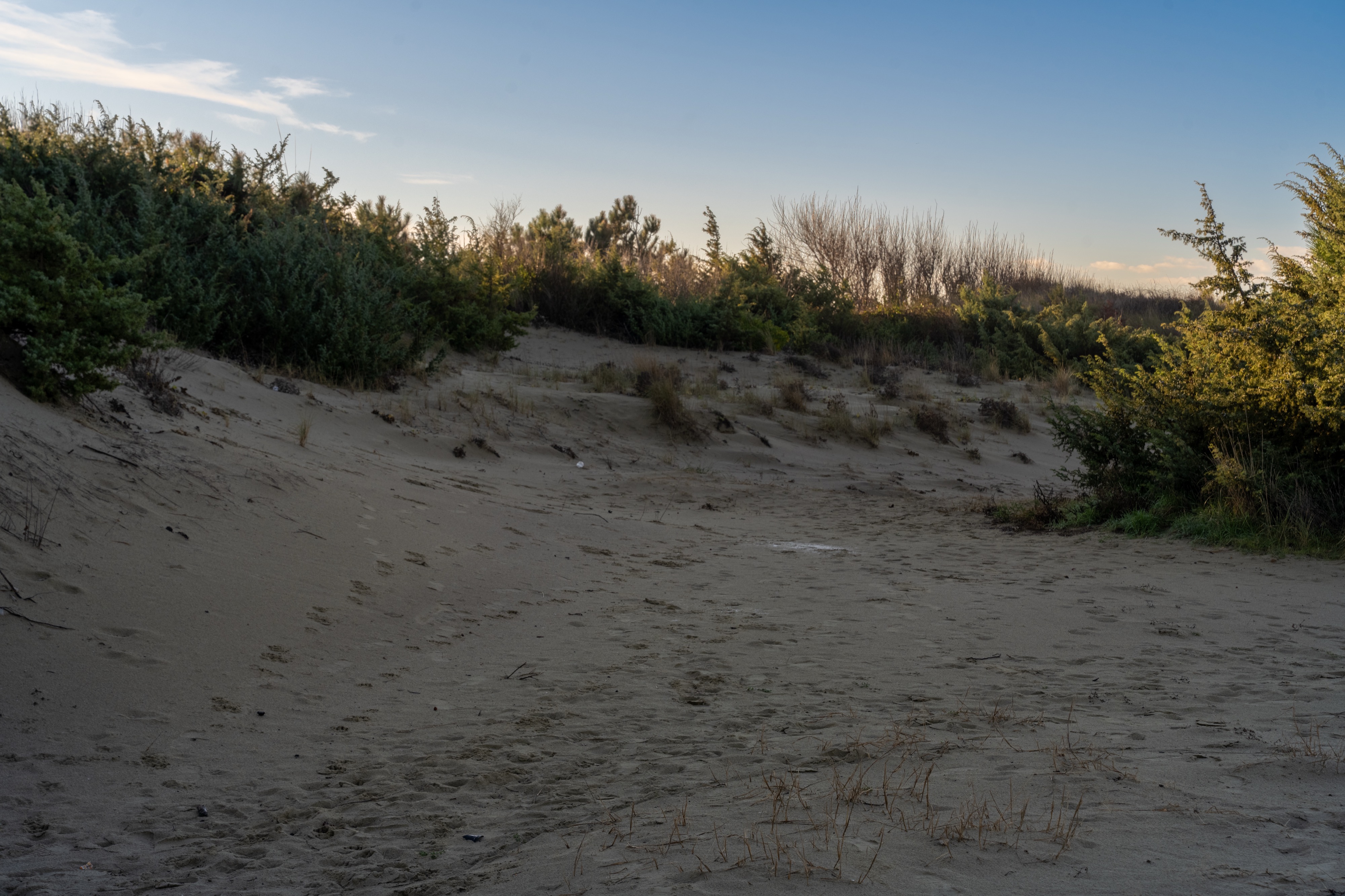
Start your day with a visit to Tirrenia Dunes WWF Oasis, established in 1997 in collaboration with the San Rossore Park, in a coastal area where the Mediterranean scrub and woodland flourish.
The reserve stretches along the coast for 24 hectares, featuring dunes that rise up to ten meters high. Here you can admire all the typical species of the Mediterranean scrub: sea lily, sea primrose, golden sand verbena, everlasting flower, strawberry tree, holm oak, sweet-smelling broom, and the rare Greek periploca - a climbing plant that is one of the few liana species in Italy.
Among the animals you may encounter are foxes and wild rabbits.
The area is crossed by several trails, including an accessible nature path for visitors with disabilities, and is equipped with educational panels and wooden barriers protecting the dunes.
After this delightful walk, you will likely be ready for lunch. The coastline offers many options, but first, let us tell you about those characteristic structures you may have noticed along the river and while looking out to sea.
2. The "Retoni"
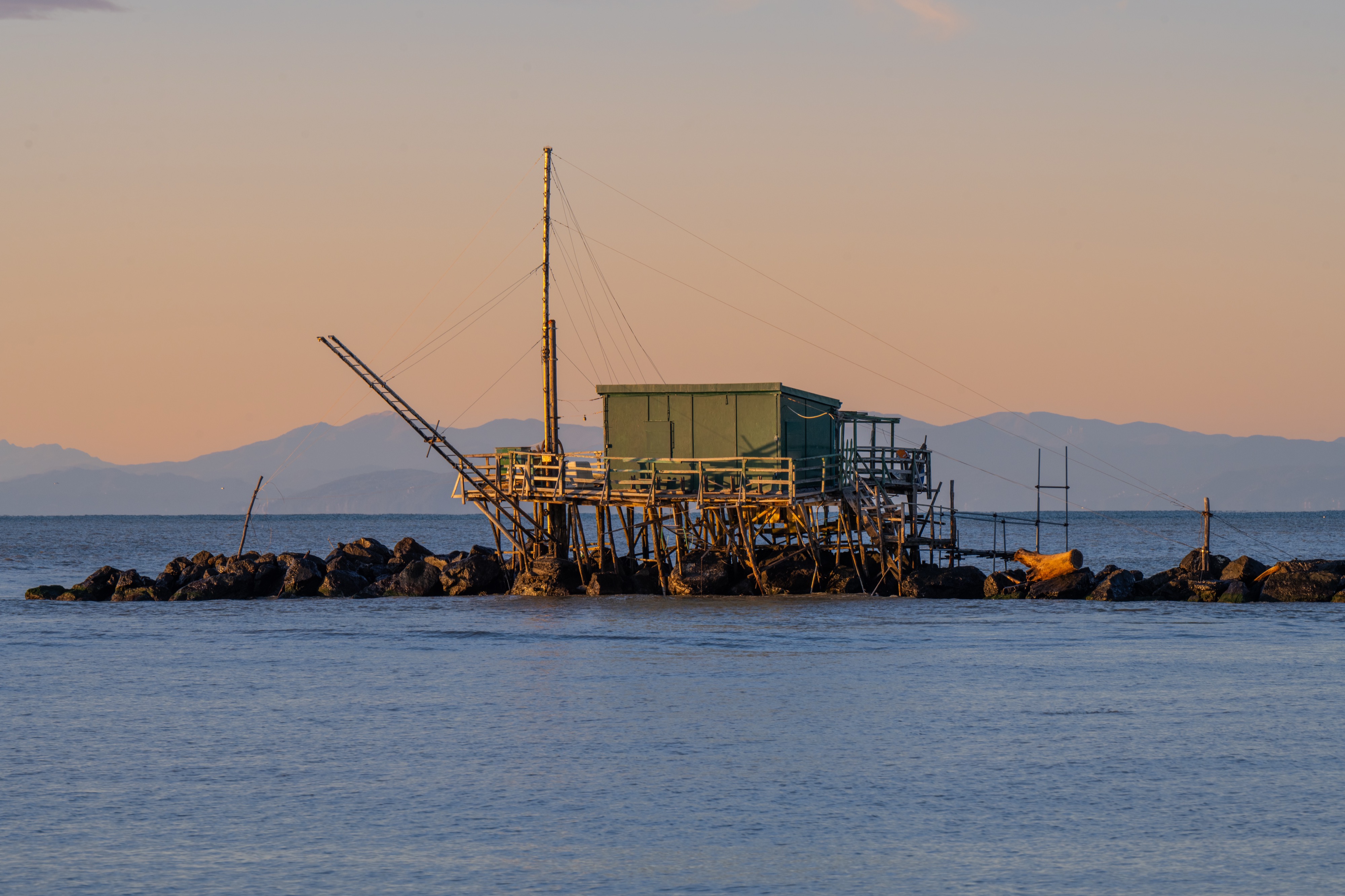
The "Retoni" are distinctive wooden structures designed and built by local fishermen after the Second World War as fishing tools. Positioned on artificial reefs at the river’s mouth and along the banks of the Arno, these constructions have become a typical landscape symbol of Marina di Pisa.
They were primarily used for fishing with a large square net called the Bilancino a Crociera, which trapped fish by making use of the place where the Arno’s fresh water meets the sea.
And now, if you feel like having some fun, we recommend spending the afternoon at the Adventure Park.
3. Adventure Park
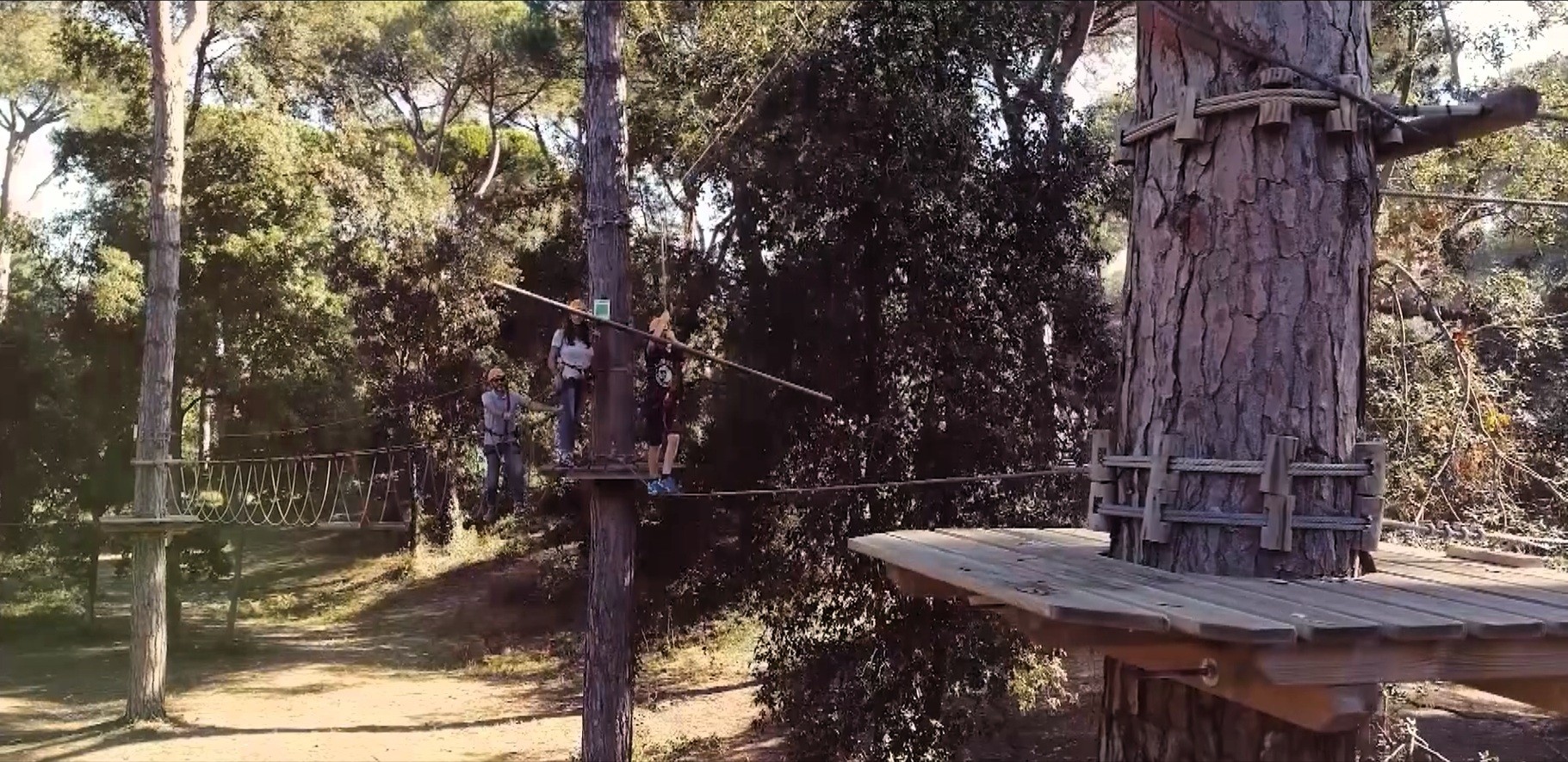
Located in Marina di Pisa, surrounded by nature, the Adventure Park offers a wide range of tree-top agility courses suitable for all ages. Paths vary in difficulty, from easier routes for children to more challenging ones for adults.
Safety on the suspended courses is ensured by a steel safety line, to which visitors are always secured with at least one carabiner attached to their harness. Before accessing the courses, a short but thorough training session is provided.
The park also features a picnic area with tables and a refreshment point. Access to the park itself is free; only the tree-top agility courses require a paid ticket.