When: spring, summer, autumn
Ideal for: couples, families, groups
How: on foot, by bike, by car, by bus, on horseback or by boat
Introduction
A journey through museums, experiments, and scientific discoveries designed to spark the curiosity of younger visitors.
Tip: If you are arriving by train at Pisa San Rossore station, this itinerary is perfectly planned to guide you through the city’s key highlights. Your first stop will be the magnificent and world-famous Piazza dei Miracoli.
Day 1
1. Piazza dei Miracoli
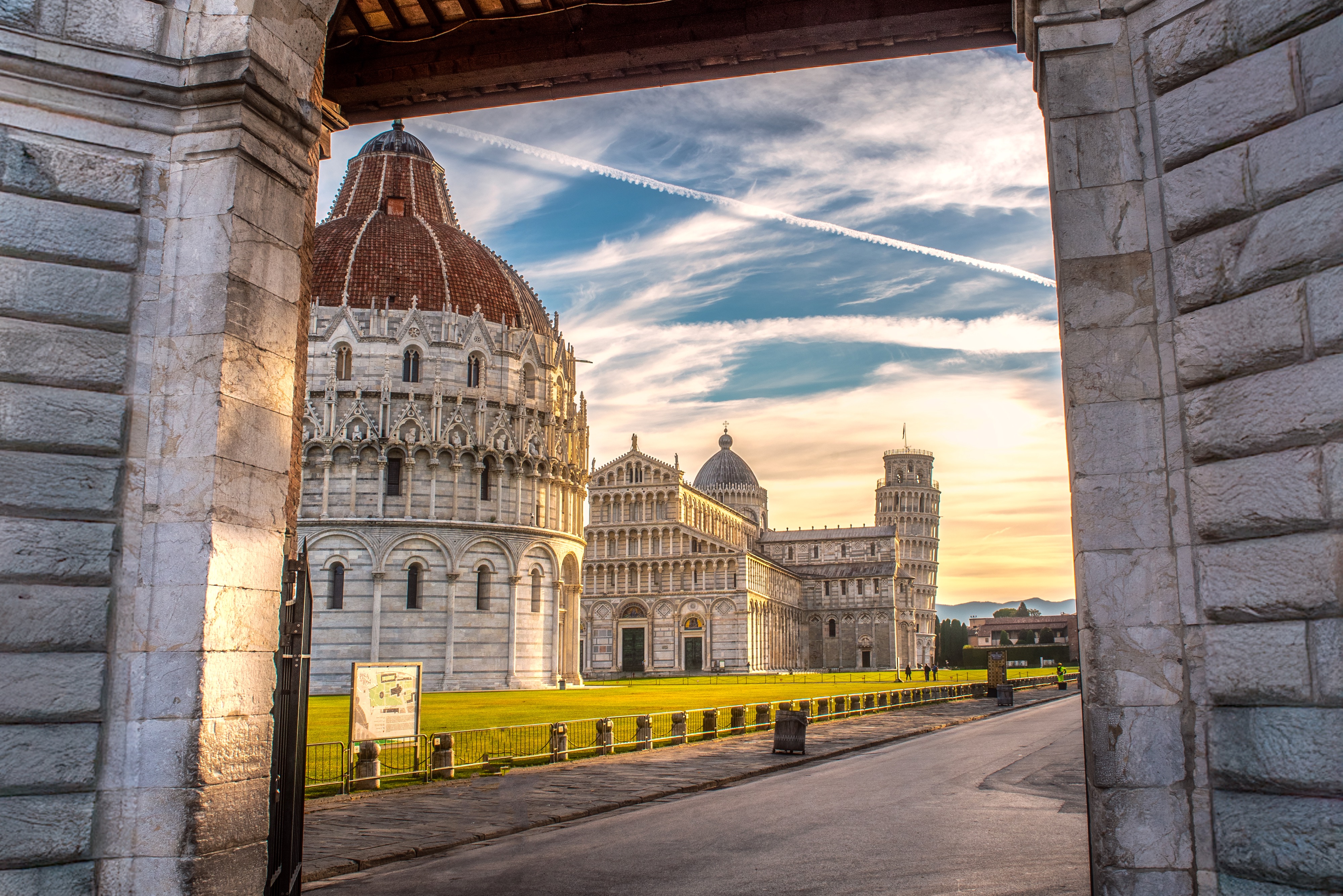
You have finally arrived at the most famous square in Pisa. We recommend visiting early in the morning to enjoy its beauty before the crowds arrive.
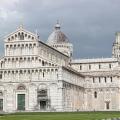
Begin your walk among some of the most iconic monuments in Italy, Europe, and the world, a UNESCO World Heritage Site since 1987. Piazza dei Miracoli is of extraordinary beauty and holds profound historical and cultural significance.
Originally known as Piazza del Duomo, it was later nicknamed “Prato dei Miracoli” (Field of Miracles) by Gabriele D'Annunzio, who was captivated by its extraordinary charm. Here, surrounded by absolute masterpieces—each monument telling a story linked to the cycle of human life—take your time to admire every detail.
The Baptistery of St. John is the first masterpiece to welcome you. It is the largest baptistery in Italy, renowned for its unique acoustics and for the pulpit by Nicola Pisano, created in 1260. This work, marking the transition from medieval art to a proto-Renaissance language, symbolically represents the entrance into the Christian faith.
Continuing on, you will reach the Cathedral of Santa Maria Assunta, a true masterpiece of Pisan Romanesque architecture, begun in 1064 to celebrate the maritime power of the Republic of Pisa. Its façade, with polychrome marble, and its interior, enriched by works by artists such as Cimabue and Giovanni Pisano, reflect the cultural and artistic peak of the city in the Middle Ages.
Nearby stands the Monumental Cemetery (Camposanto), traditionally believed to have been built with soil brought from Mount Golgotha in the Holy Land. This unique space preserves an extraordinary collection of Roman sarcophagi and a cycle of 14th-century frescoes, including the famous Triumph of Death, a powerful reflection on the fragility of human existence.
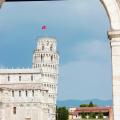
And then, of course, the Leaning Tower, the universal symbol of Pisa. Its tilt, caused by unstable soil during construction work begun in 1173, has become an integral part of its identity. Few know, however, that it was originally designed as the cathedral’s bell tower.
Now that you have admired these masterpieces from below, how about enjoying a privileged view from above?
Head to the ticket office at Torre Santa Maria, right in Piazza dei Miracoli, along the avenue near the Monumental Cemetery.
Are you ready to climb the Walls of Pisa?
2. Ancient Walls of Pisa
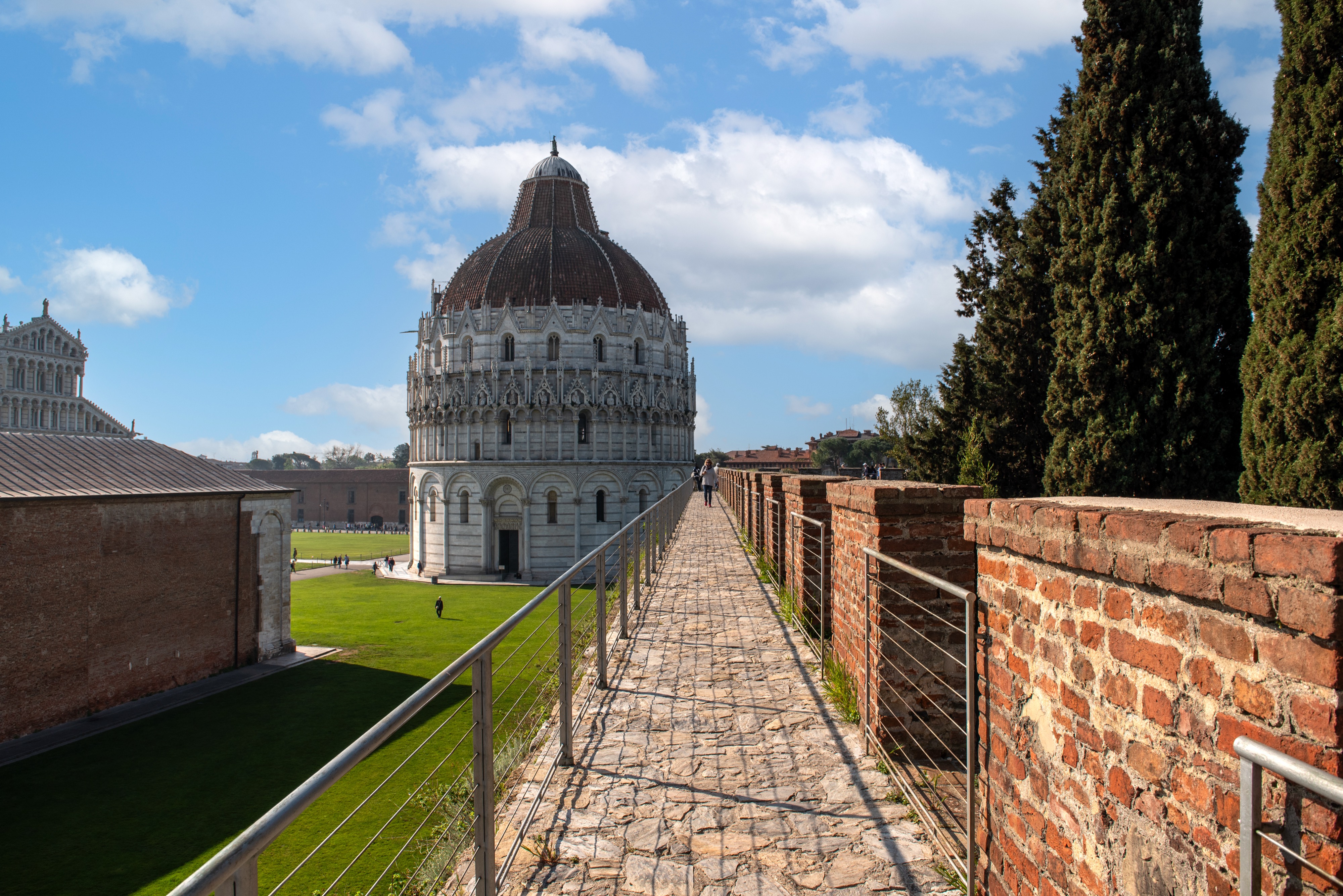
This 3-kilometre itinerary, suspended 11 metres above the ground, allows you to admire Pisa from a unique and privileged perspective. It is a walk along the ancient city walls of Pisa (Mura di Pisa).
The elevated pathway has several access points:
- Torre Santa Maria in Piazza del Duomo;
- Bastione del Parlascio (accessible for visitors with disabilities);
- Piezometric Tower, located within the University complex of Fibonacci (with entrances from Via Buonarroti, Via San Francesco, and Via Vittorio Veneto);
- Tower in Piazza delle Gondole;
- Tower in Piazza del Rosso.
Starting from Torre Santa Maria in Piazza del Duomo, you can clearly observe the Jewish cemetery located just outside the city walls. It contains the tombs of Italian Jews and Sephardic Jews, originally from Spain and Portugal, who found refuge in Pisa during the periods of religious persecution that affected Europe.
As you continue along the walk, you will notice the traces of three different defensive wall systems: the earliest Roman fortifications, the early medieval walls, and the later Republican-era structures.
At the end of your visit, the next recommended stop is the Museum of Human Anatomy (Museo di Anatomia Umana) at Museo di Anatomia Umana.
3. Museum of Human Anatomy
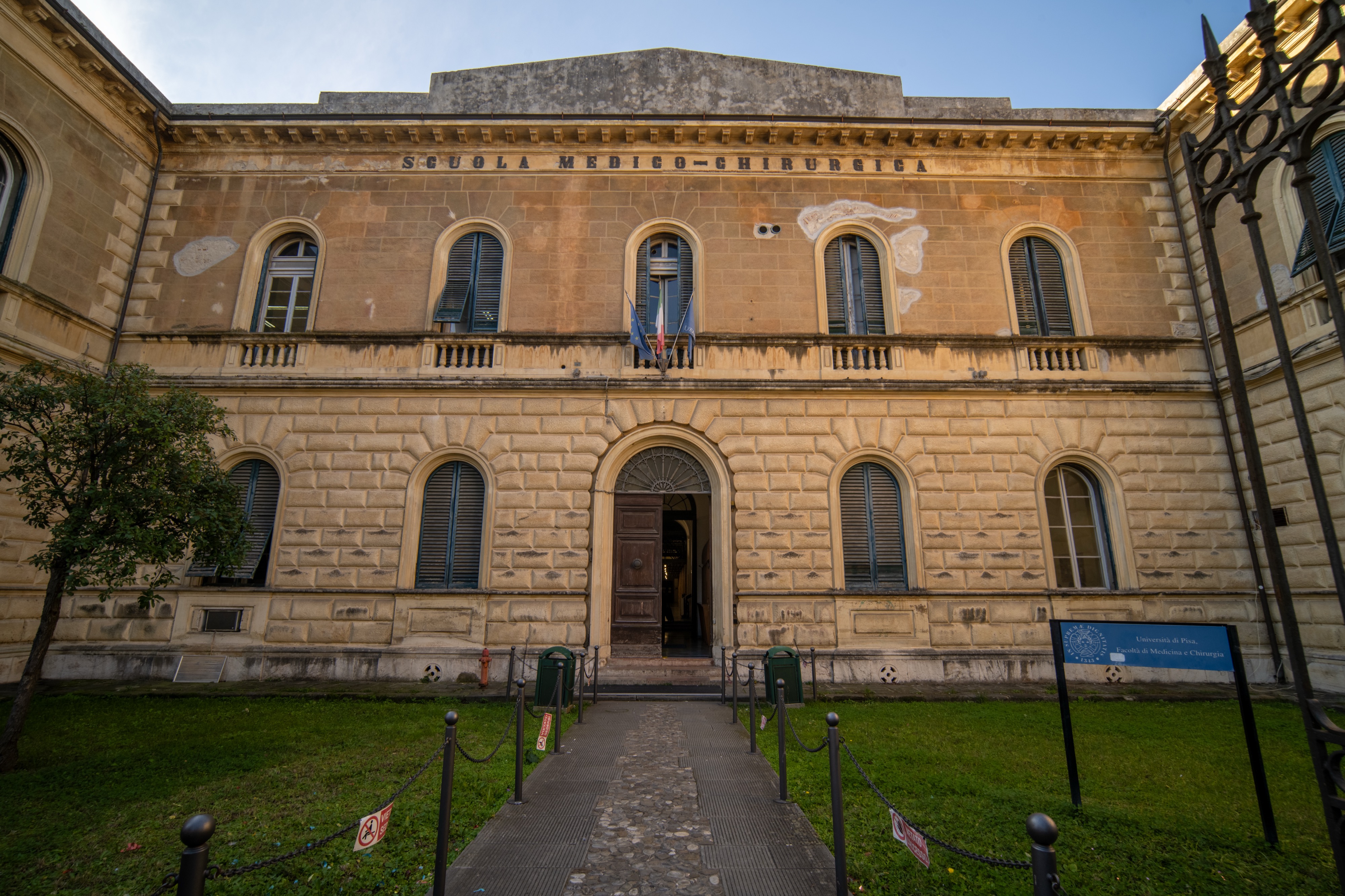
Did you know that Pisa was among the first university cities to establish a School of Anatomy? It was under the patronage of Cosimo I de' Medici that an Anatomical Theatre was built, marking the beginning of the teaching of human anatomy in the city. In this context, Andreas Vesalius, regarded as the father of modern anatomy, was invited to Pisa to conduct dissections.
Today, the “Filippo Civinini” Museum of Human Anatomy preserves valuable archaeological collections, including an Egyptian mummy with its sarcophagus, funerary equipment, and pre-Columbian vessels gathered by the physician and scholar Carlo Regnoli in the mid-19th century, as well as approximately 3,400 anatomical preparations and 1,300 models once used by the Faculty of Medicine for teaching and practical exercises.
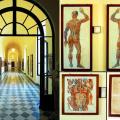
The museum display is completed by the Gallery of Busts, featuring plaster casts of historic anatomists, and above all the Mascagni Gallery, which exhibits the anatomical plates of Paolo Mascagni. These 44 large watercoloured sheets depict a human body in life-size scale with extraordinary precision and detail. In fact, three plates were required to represent the full height of the figure—making this an experience you truly should not miss.
Just a short walk away, you will find another site of equal importance and great interest.
4. Botanical Garden and Museum of Pisa
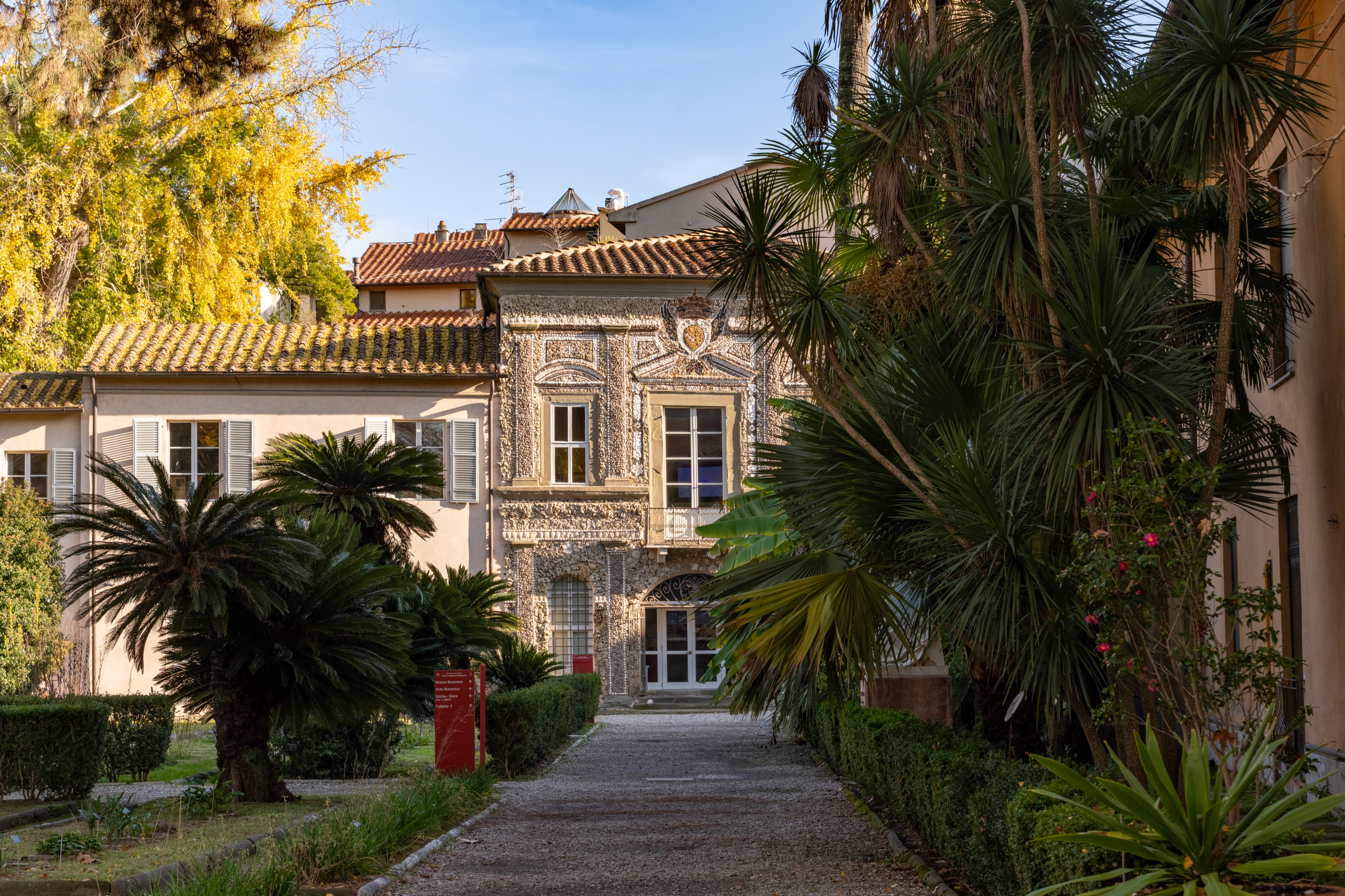
The Botanical Garden of Pisa was founded in 1543 with the arrival of the physician and botanist Luca Ghini, who was called by Cosimo I de' Medici to establish a university Giardino dei Semplici (Garden of Medicinal Plants). Initially created along the banks of the River Arno, it was later moved to its present location near Piazza dei Miracoli. It is the oldest university botanical garden in the world.
As you walk through its paths, you may feel as though you are travelling across continents in just a few steps: from the plants of the African and American deserts, to the aromatic species of the Mediterranean scrub, and up to centuries-old trees. The garden is organised into seven sections—Botanical School, Cedar Garden, Myrtle Garden, Greenhouses, Arcangeli Lawn, New Garden, and Del Gratta Garden—each hosting scientifically curated plant collections for a total of around 6,000 species.
Within this extraordinary setting, you can also admire the beautiful and unique Palazzo delle Conchiglie (“Shell Palace”), which houses the Botanical Museum.
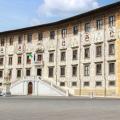
5. Piazza dei Cavalieri
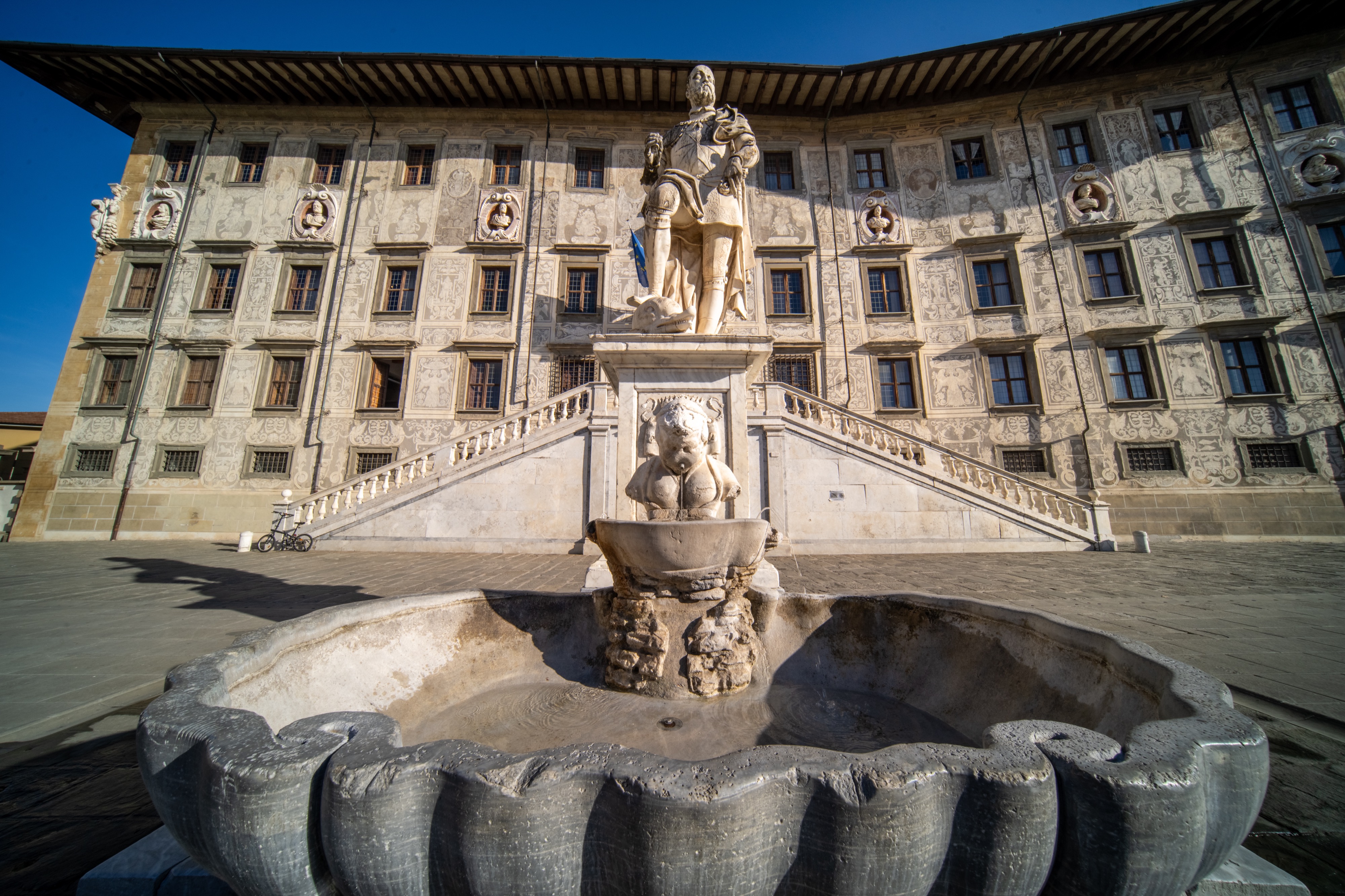
The result of a vast campaign of urban remodeling, Piazza dei Cavalieri was conceived by Cosimo I in 1558, who entrusted its modernization to the celebrated architect Giorgio Vasari. The ambitious project reshaped the surrounding streets, repurposed existing structures, and radically transformed the very footprint of the square. By harmonizing and refashioning the disparate medieval buildings, Vasari introduced a grand architectural order, bestowing upon the piazza the magnificent layout we see today.
Today, the square stands as one of Italy’s preeminent centers of learning and research, anchored by the Palazzo della Carovana, home to the prestigious Scuola Normale Superiore. For generations, scholars and researchers here have dedicated themselves to pushing the boundaries of knowledge across diverse fields, from the natural sciences and mathematics to physics and the humanities. This enduring link to intellectual discovery is further enriched by the Library of the Scuola Normale; with its vast repository of rare volumes and historical documents, it remains a sanctuary where inquiries spark research, ideas evolve into discoveries, and curiosity is transformed into true understanding.
The piazza is framed by an extraordinary architectural ensemble, including the Church of Santo Stefano dei Cavalieri, the Palazzo della Canonica, the Palazzo del Consiglio dei Dodici, the Palazzo Puteano, the Church of San Rocco, and the Palazzo dell’Orologio. Standing proud at its heart is the monumental statue of Cosimo I, sculpted by Pietro Francavilla.
Even today, a walk through the square offers a compelling gateway into the world of science. The intricate facades, subtle embellishments, and spatial arrangement of the buildings invite visitors to decode geometric forms, perfect symmetries, and material choices. It is a timeless invitation to view the world through the discerning eyes of a scientist: to observe meticulously, question everything, gather evidence, and formulate hypotheses.
Now continue on towards the Science Discovery Lab (Ludoteca Scientifica).
6. The Science Discovery Lab
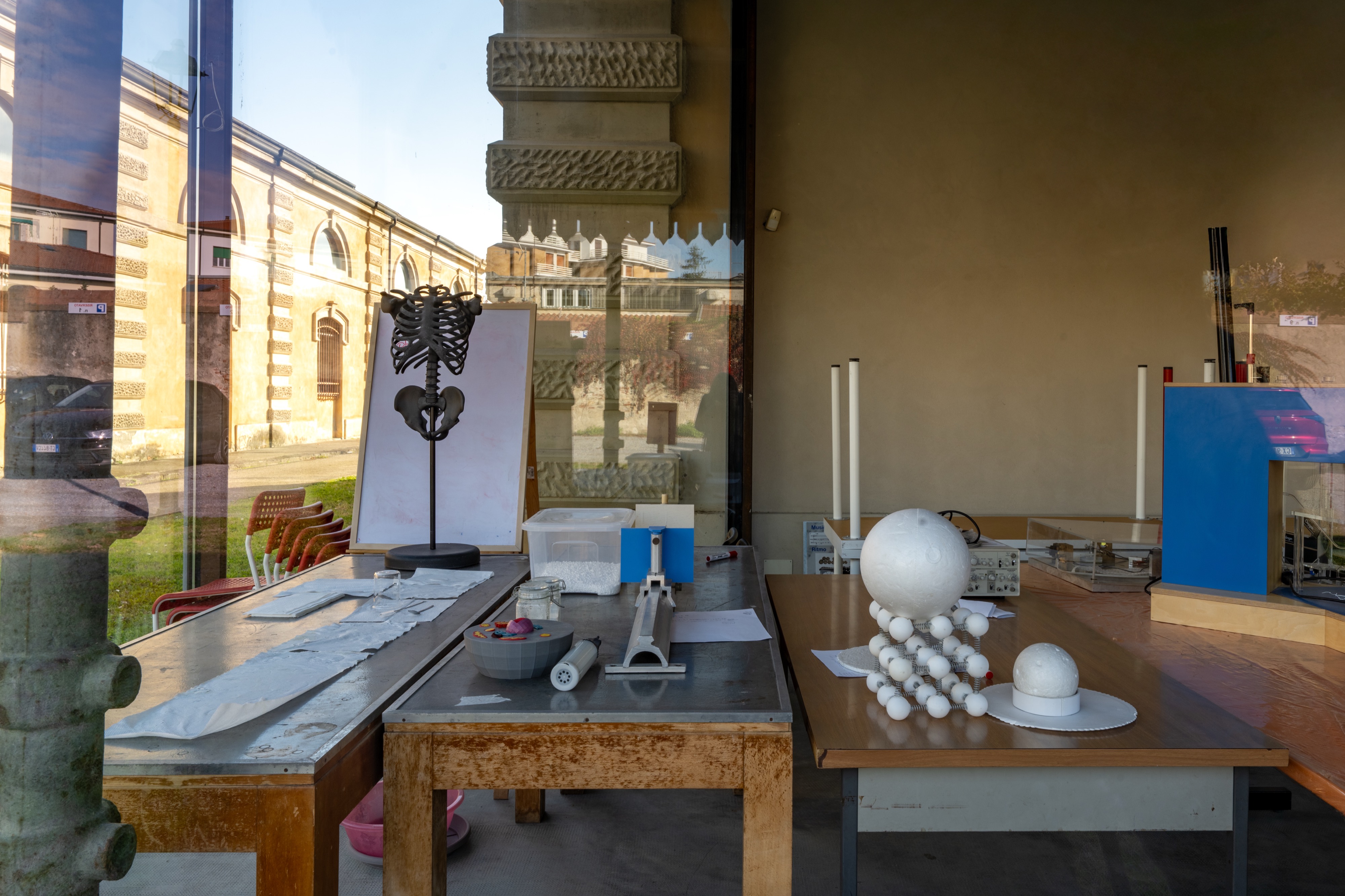
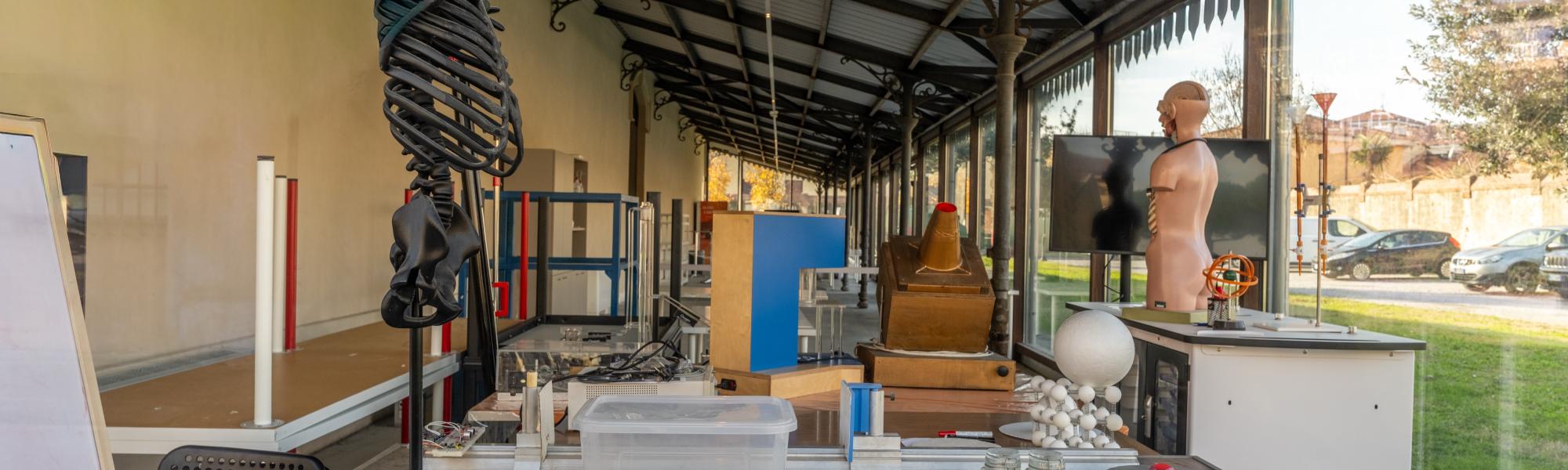
The Science Discovery Lab was founded in Pisa in 2002, thanks to an idea by Nadia Ioli Pierazzini, then a researcher at the Italian National Research Council (CNR). She designed a series of experiments for the first educational workshops, inspired by the Galilean scientific method: starting from direct experience in order to develop concepts - essentially, learning through play.
The Lab offers a journey through interactive games and installations that explore themes from classical and modern physics, from Galileo Galilei to Albert Einstein, all the way to the scientific innovations of the 21st century.
Continue this journey of scientific discovery by making your way to the Museum of Computing Instruments (Museo degli Strumenti per il Calcolo).
7. Museum of Computing Instruments
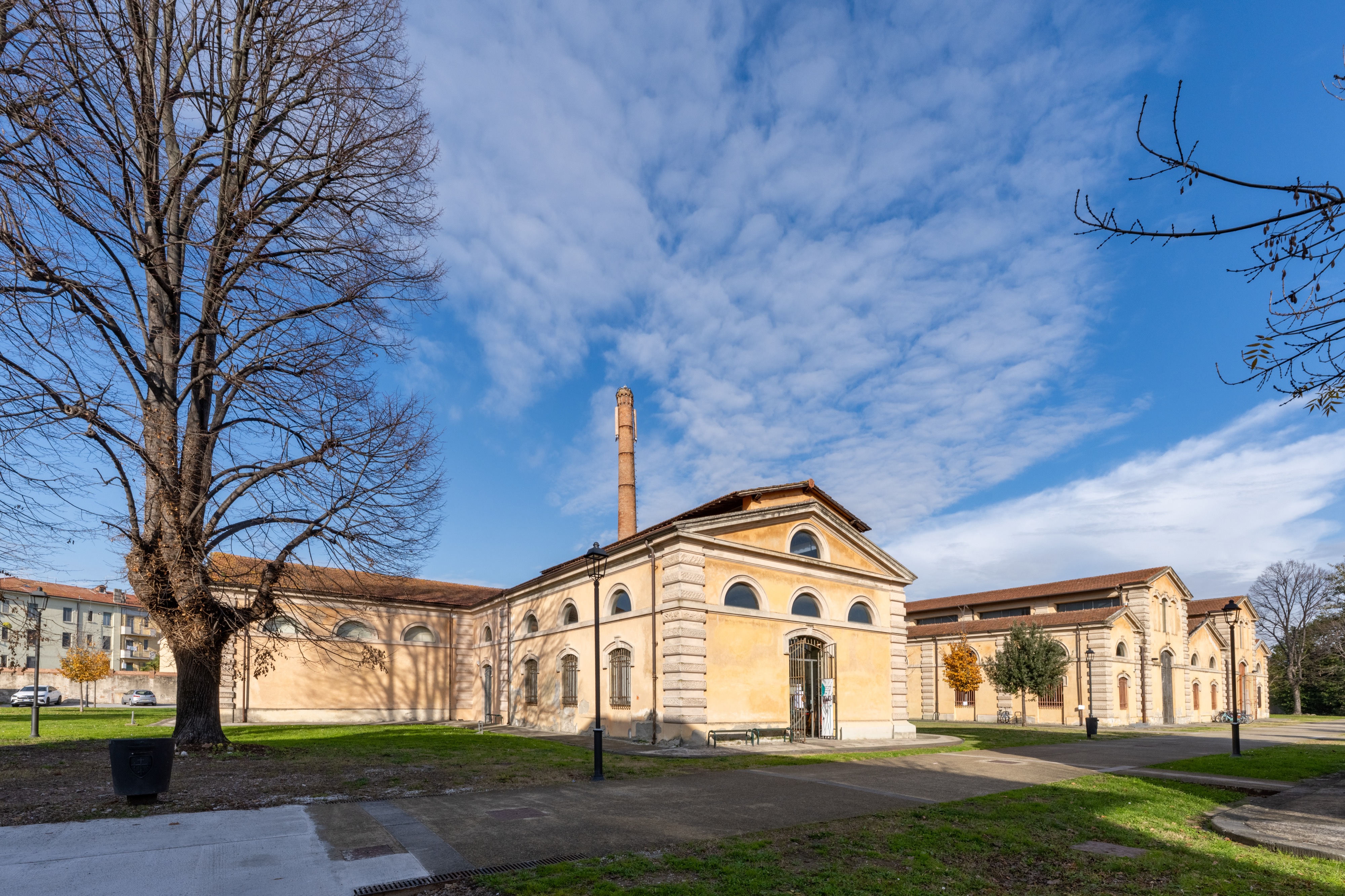
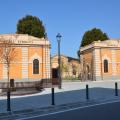
The Museum of Computing Instruments of the University of Pisa, inaugurated in 2000, is housed in the buildings that once served as the city’s former slaughterhouse. These brick structures, originally designed with individual rooms for meat processing, ovens, and administrative offices, still preserve their distinctive industrial chimneys, visible from the outside.
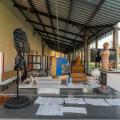
The museum galleries preserve important collections dedicated to the history of computing and scientific calculation. Among its most significant exhibits is the Calcolatrice Elettronica Pisana (CEP), developed in the 1950s and considered one of the earliest Italian computers. Around this machine, the first school of computer science in Italy was established, marking a crucial milestone in the country’s technological development.
The exhibition spans from historical calculating instruments to modern digital technologies, offering a comprehensive overview of the evolution of science and innovation.
Just a short walk from here, you will have the opportunity to immerse yourself in Pisa’s ancient history by visiting the Museum of Ancient Ships (Museo delle Navi Antiche).
8. Museum of Ancient Ships
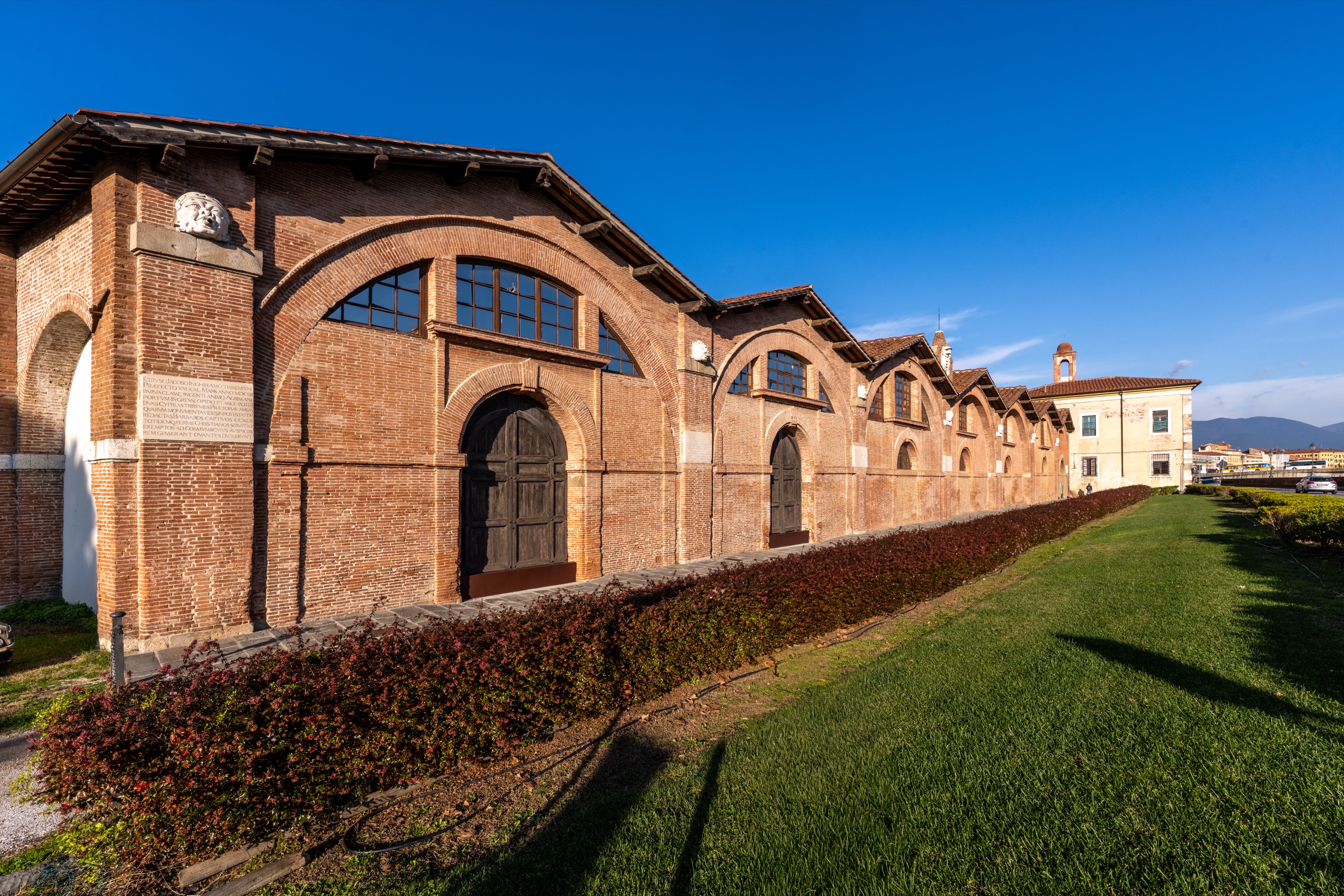
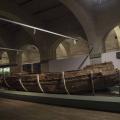
The Museum of Ancient Ships of Pisa stems from an extraordinary discovery made in 1998 during construction works near the Pisa San Rossore railway station. At a depth of around three metres, numerous Roman shipwrecks were uncovered in an exceptional state of preservation, along with their cargoes and a remarkable collection of everyday objects, including clothing, tools, cooking utensils, games, and even traces of religious practices and popular beliefs.
The then Ministry of Tourism and Culture, in collaboration with the Italian Railway Network (RFI), immediately launched one of the largest archaeological excavation projects of recent decades. Completed in 2016, the excavation brought to light around thirty Roman-era vessels and thousands of artefacts in ceramic, glass, metal, and organic materials.
Since June 2019, the Medici Arsenals along the Lungarni have hosted the permanent exhibition of the restored finds. The museum itinerary, divided into eight sections, retraces the history of Pisa from the Etruscan period to the Middle Ages, highlighting the city’s deep and enduring relationship with water.
Optional note: If you feel a little tired or think the day has been a bit too intense, don’t worry—the Museum of Ancient Ships can also be easily visited as the final stop of tomorrow’s itinerary.
Day 2
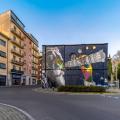
1. "Galileo Galilei" mural by Kobra
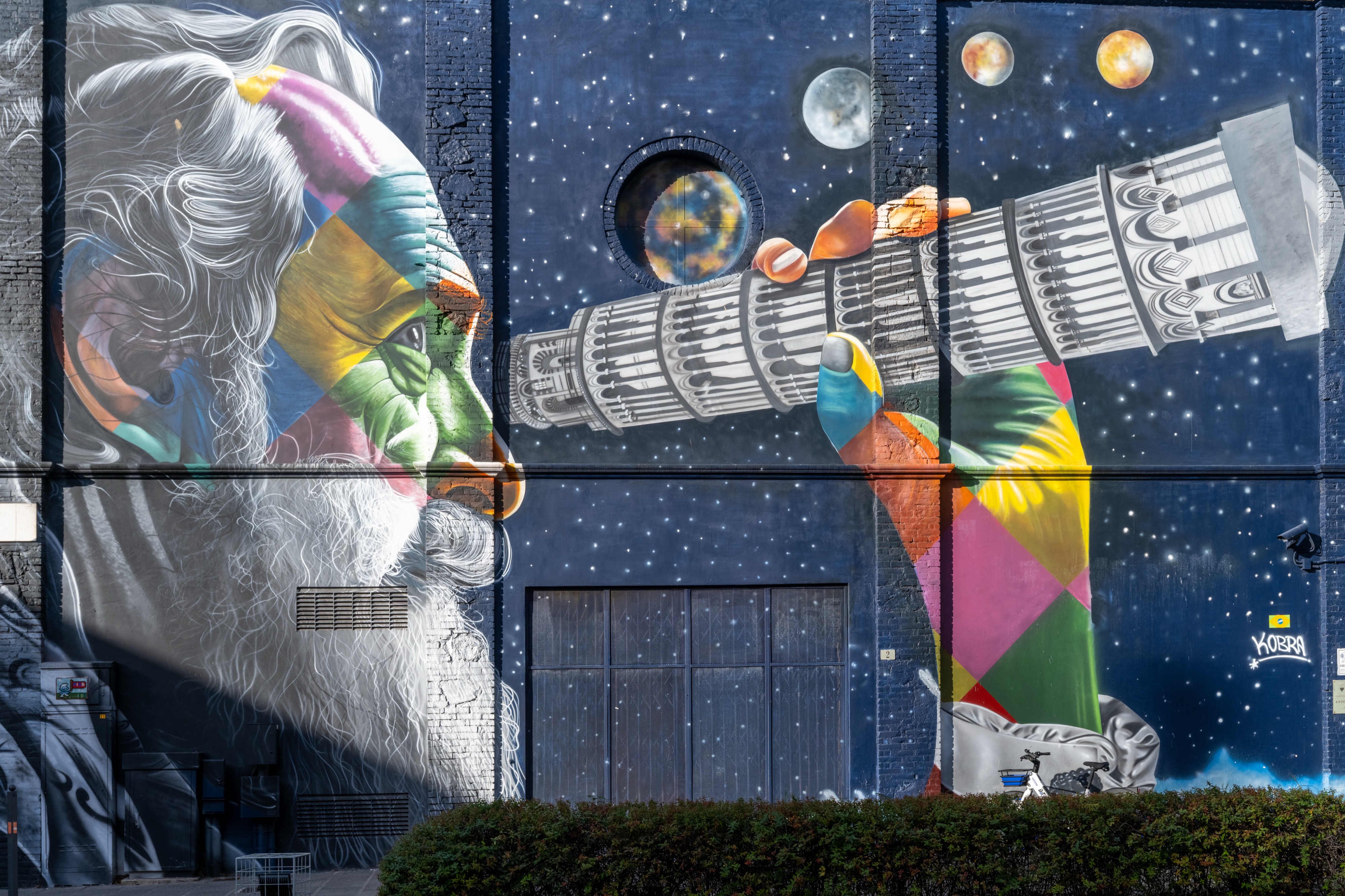
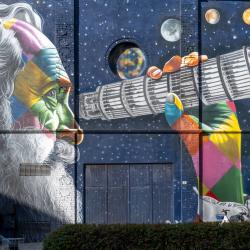
A truly striking artwork, covering an area of over 160 square metres, this mural depicts Galileo Galilei in the vibrant, unmistakable style of Brazilian street artist Eduardo Kobra.
The artist portrays the scientist with his long grey beard, holding the Leaning Tower of Pisa in his hand—reimagined as an astronomical telescope used to observe the planets and the universe, echoing Galileo’s lifelong passion for scientific observation.
After admiring Kobra’s mural, continue following the trail of colour and let yourself be captivated by the masterpiece by Haring.
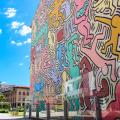
2. "Tuttomondo" mural by Keith Haring
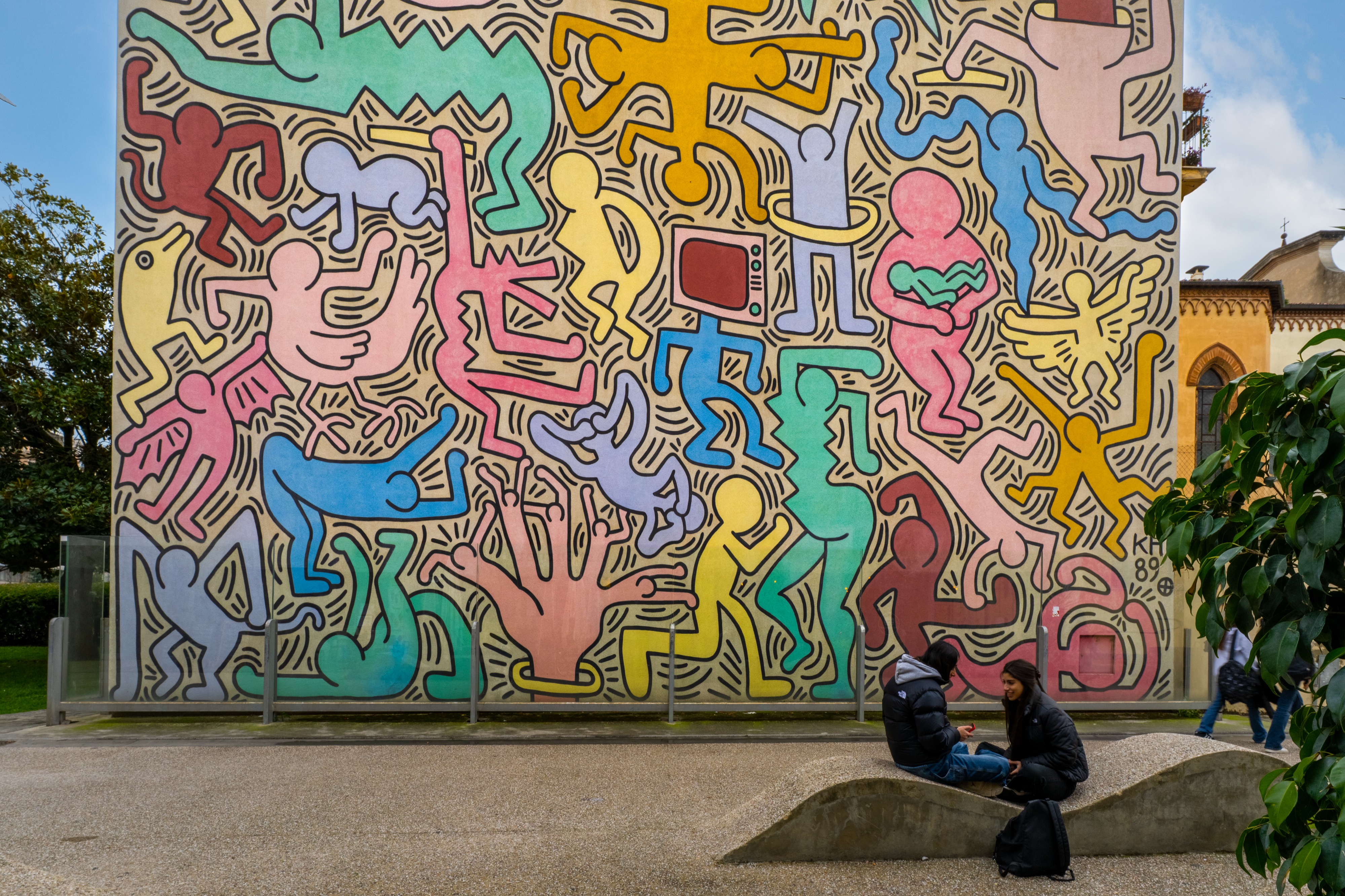
You now stand before a true masterpiece of street art: the last major work created in 1989 by Keith Haring, shortly before his death. This is Tuttomondo, a monumental mural painted on the rear façade of the Church of Sant’Antonio Abate in Pisa.
The work is a powerful hymn to love and harmony between human beings, animals, and nature. Each figure carries a symbolic meaning: from the hands, evoking collective action and cooperation, to the broken serpent, representing the struggle against evil.
Take your time to observe the mural carefully and discover the hidden meanings behind each figure.
And if you enjoyed yesterday’s educational workshops and activities, we now suggest a visit to the beautiful and historic Museum of Graphics (Museo della Grafica)
3. Palazzo Lanfranchi - Museum of Graphics
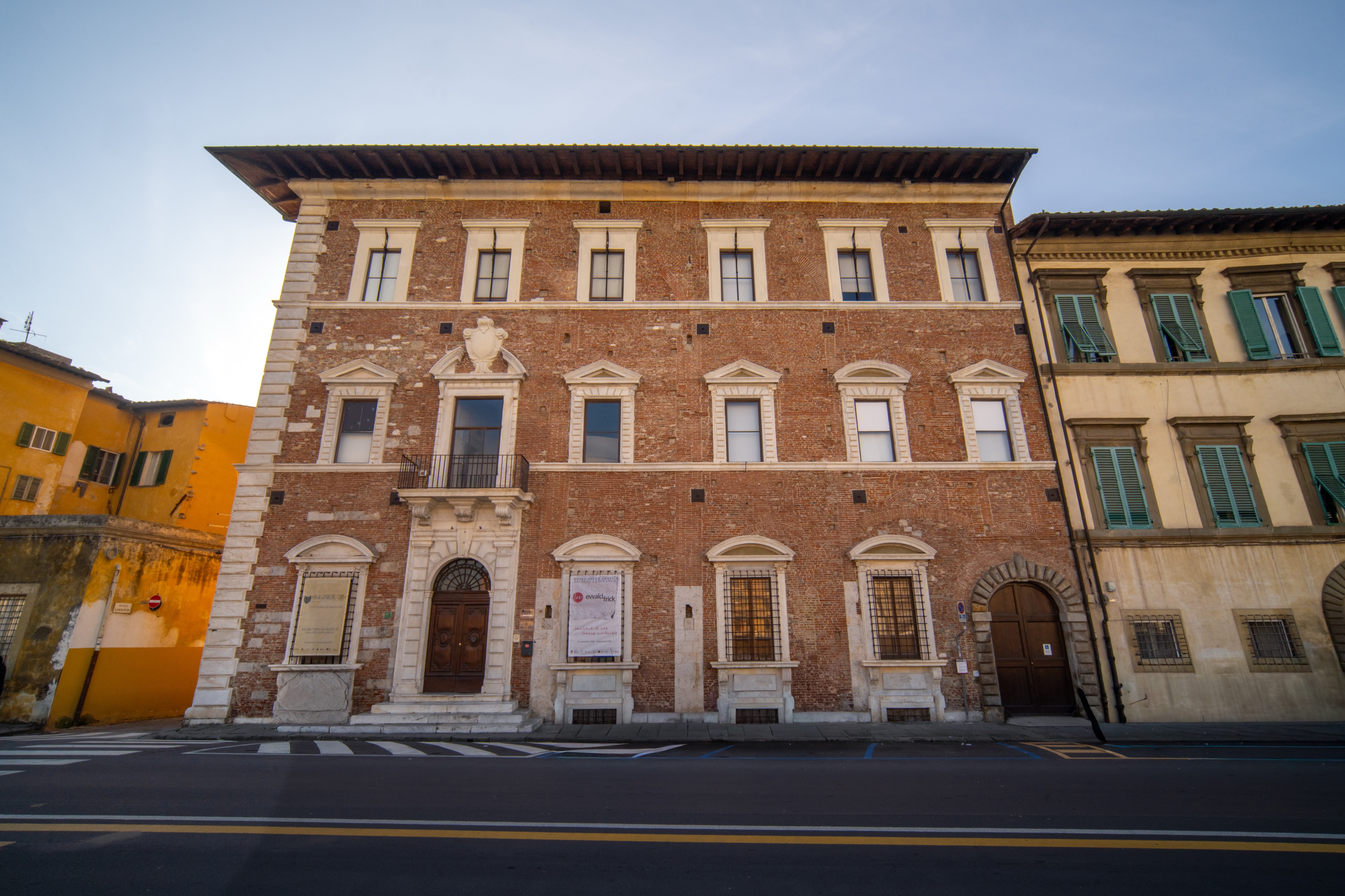
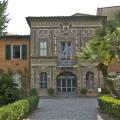
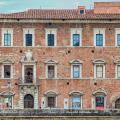
The Museum of Graphics in Pisa is housed in the elegant rooms of Palazzo Lanfranchi, overlooking the Lungarno Galilei, and is the result of a collaboration between the Municipality of Pisa and the University of Pisa.
The museum preserves one of the most important public collections of contemporary graphic art in Italy. Its permanent collections, which include works of significant historical and artistic value, are accessible by appointment. A selection of the most relevant sheets—drawings and prints—can also be consulted virtually in the multimedia room.
In addition to its permanent collection, the Museum of Graphics offers a rich programme of temporary exhibitions and cultural activities. Throughout the year, it also hosts special initiatives such as the Christmas Magic events. Free admission opportunities are also available, for example on the first Sunday of each month.
4. Palazzo Blu
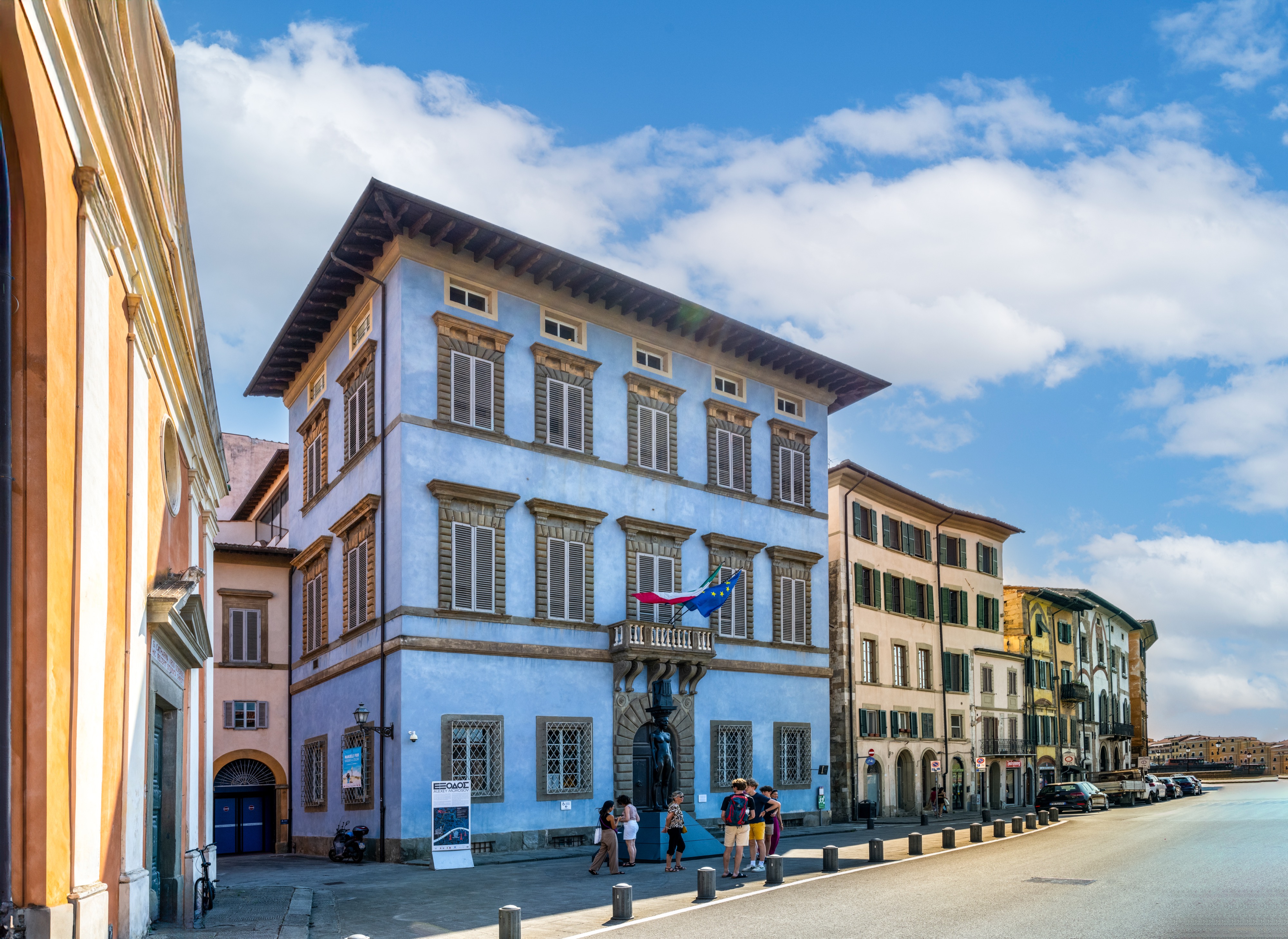
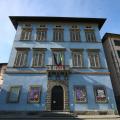
Palazzo Blu is one of the most fascinating buildings along the Lungarni of Pisa, as well as a key reference point for contemporary art in the city and beyond.
Founded in 1356 by Doge Giovanni dell’Agnello on the remains of an earlier complex of tower houses - still partially visible inside today - the building has evolved over the centuries, transforming from an aristocratic residence into a renowned centre for art and culture. In 1494, it hosted King Charles VIII of France during his Italian campaign, an event traditionally associated with the liberation of Pisa from Florentine rule.
Over time, the families who inhabited the palace expanded and enriched its interiors with new rooms and decorative elements, including the distinctive deep blue colour of its façade, which still defines its appearance today.
Today, the museum hosts not only a permanent collection open year-round, but also major international exhibitions dedicated to artists such as Picasso, Dalí, Modigliani, and Toulouse-Lautrec.
Optional note: If you did not have the chance to visit the Museum of Ancient Ships yesterday, you can include it in today’s itinerary. Simply continue along Lungarno Gambacorti to Ponte Solferino, cross the bridge, and proceed along Lungarno Simonelli. The museum will be on your right.
Day 3
1. Migliarino, San Rossore, Massaciuccoli Natural Park
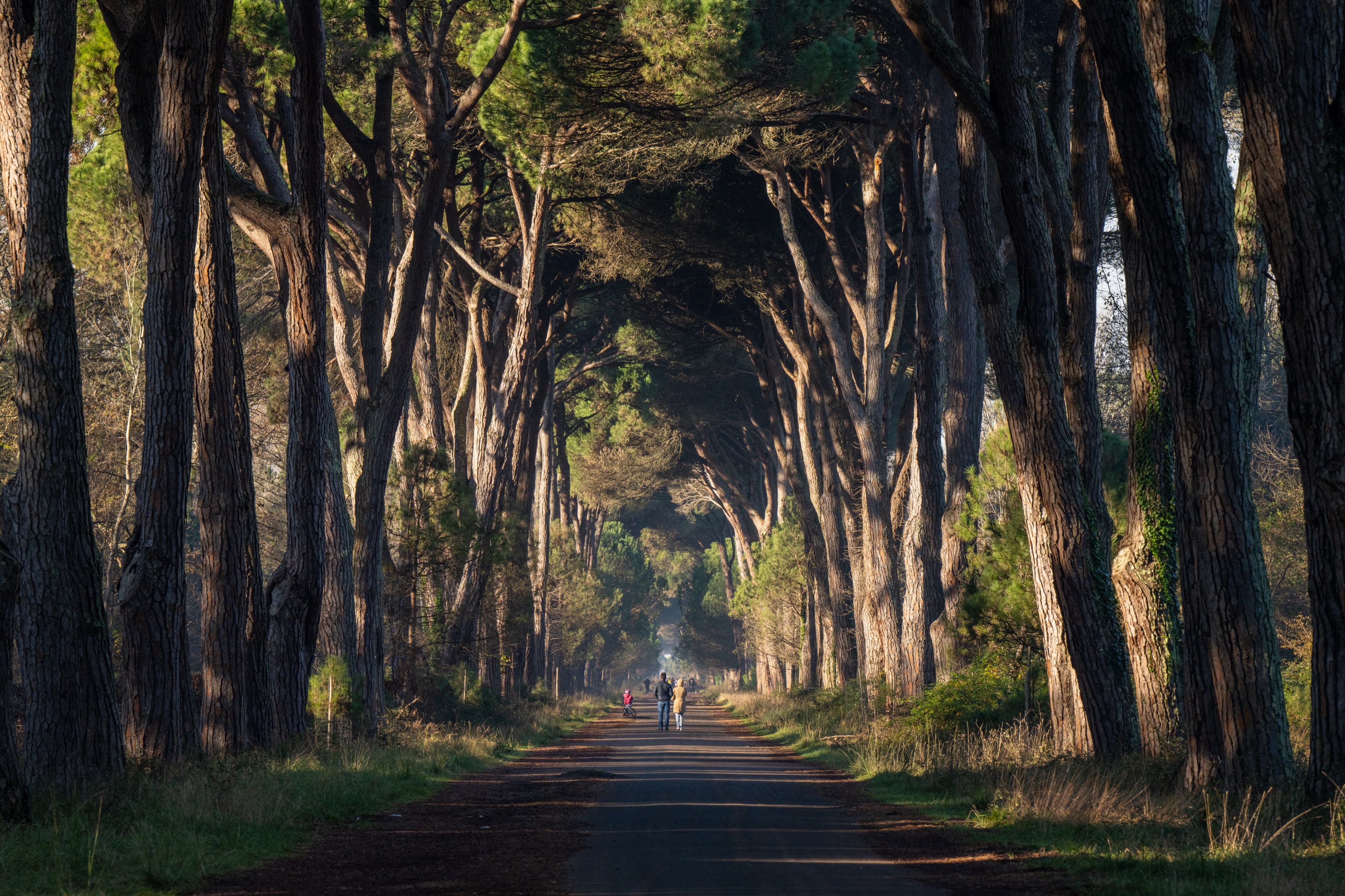
Located within the Migliarino San Rossore Massaciuccoli Regional Park, the San Rossore Estate is an extraordinary place where natural beauty and historical heritage come together in a unique experience.
San Rossore offers nature lovers and adventure enthusiasts a wide range of activities to explore its pristine landscapes. The estate’s trails are ideal for trekking, while those who prefer a more dynamic experience can explore the area by bicycle along dedicated routes or enjoy horseback excursions.
A particularly original and relaxing way to discover the estate is aboard the tourist train, which passes through some of the park’s most scenic areas, or by boat along the river, offering a unique perspective on the landscape from the water. These activities are ideal for families, groups, and photography enthusiasts, who will find countless unforgettable views to capture.
2. Adventure Park
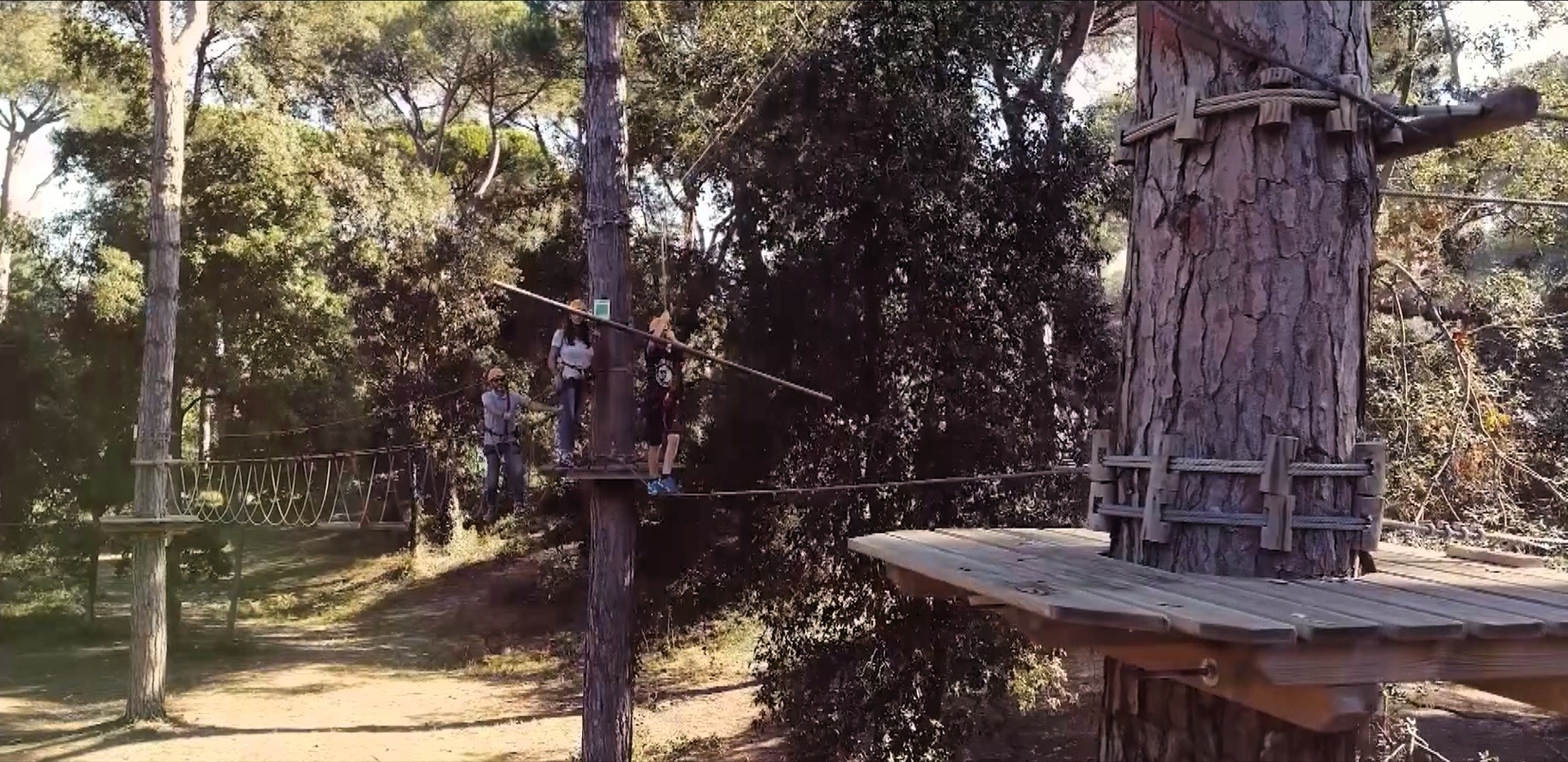
The Adventure Park in Marina di Pisa, which can also be reached by bicycle from the Park by crossing the pedestrian and cycle bridge and following the Trammino Cycle Path, is immersed in the Migliarino San Rossore Massaciuccoli Regional Park. Here, both adults and children can take on suspended rope courses among the trees, experience the thrill of a 150-metre super zip-line, and relax in equipped picnic and leisure areas. It is the perfect destination for those seeking both adventure and relaxation in a protected natural environment.
Safety is ensured by state-of-the-art systems such as a continuous lifeline, while staff provide training and assistance throughout the experience. The park is also environmentally sustainable, featuring wooden structures and minimal electricity consumption.
An unmissable opportunity to discover the beauty of the Tuscan countryside and enjoy unforgettable experiences.